
Tummy Tuck
Many of us wish for and even work for a flat and well-toned abdomen through cycles of diet and exercise. Unfortunately, not everyone reaches this ideal look, but abdominoplasty, also known as a tummy tuck, can help. By removing excess fat and skin, and by restoring weak or separated abdominal muscles, you can have a smoother and a firmer midsection. Check out some Tummy Tuck before and after photos.
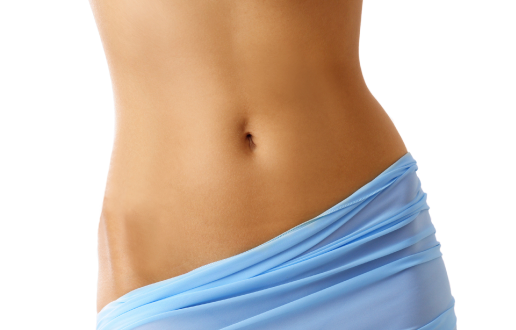
Reasons for a Sagging Tummy
• Pregnancy
• Significant weight fluctuations, either up or down
• Aging
• Prior surgeries
• Heredity
It’s important to remember that choosing to have a tummy tuck is a very personal decision, and you should only make the leap if you want it for yourself and not because someone else wants to change your appearance.
How to Know if Abdominoplasty is Right for You
• You are at a stable weight
• You are physically healthy
• You have realistic expectations for your results
• You do not smoke
While you may think of a tummy tuck as being a permanent solution to your abdominal problems, remember that significantly gaining or losing weight will alter the appearance of this surgery. Because of this, if you are working toward substantial weight loss or if you are planning to become pregnant in the future, you should postpone your abdominoplasty until after these events.
Keep in mind that a tummy tuck isn’t a substitute for not exercising or for not losing the weight. Likewise, a tummy tuck won’t erase your stretch marks although some excess skin below the belly button will be removed. Being realistic about your abdominoplasty results will help you get the most out of the surgery.
The Uncertainty and Risks of Surgery
Post-surgery complications are rare, but they can occur in some patients. The most common issues are with infection or blood clots, but there are preventative and treatment possibilities for these complications. An infection will be treated with antibiotics, and you can help prevent blood clots by moving as much as possible after your surgery.
Smoking can increase the risk of these and other complications, so all smoking should stop prior to the surgery. You can reduce your other risks by following Dr. Leonard’s instructions both before and after the procedure.
Planning Your Surgery
First, you’ll have an initial consultation. Dr. Leonard will evaluate your overall health and your skin tone, and he will determine how much excess fat and skin you have in your abdominal area. Make sure that you inform him at this time about your current vitamins, medications, and smoking habits so that he can effectively plan your procedure to give you the best results.
You also need to make sure that you fully discuss your expectations with Dr. Leonard. You won’t get the results you want if you don’t tell him all about your desired outcome. He will also be frank with you about your body’s limits, your risks, and your procedural options. For example, you may be able to have a mini-tummy tuck, called a partial abdominoplasty, if your extra fat is all below your navel. Likewise, Dr. Leonard may indicate that a full abdominoplasty plus liposuction is your best option in order to remove the fat deposits from your hips to give your body a better shape.
Working directly with Dr. Leonard and his staff, you’ll find the procedure that is right for you, your body, and your desired results. During this consultation, you’ll also find out about the type of anesthesia, the facility, and the costs involved in your tummy tuck surgery, so there won’t be any surprises.
Preparing For Your Surgery
If you’re a smoker, you should plan to quit at least one to two weeks prior to your surgery, and you can’t resume this activity until at least two weeks afterward. You’ll also need to avoid overexposure to the sun, especially for the skin on your abdomen. Your goal should be to stay as healthy as possible, which will allow you to heal better and faster after the procedure and which will prevent your surgery from having to be postponed due to your illness.
Although some surgeries are inpatient and others are outpatient, you must have someone with you to drive you home after the operation. You’ll also want someone to help you get around and to prepare food for a day or two once you return home and begin recovering.
Preparations the Day of Surgery
Dr. Leonard will also inform you about the type of anesthesia that will be used. If he chooses general anesthesia, you’ll sleep through the entire operation. Sometimes, however, Dr. Leonard opts for a combination of local anesthesia and a sedative that will make you relaxed and even drowsy. This pairing will also make you insensitive to pain beyond some general discomfort or tugging during the surgery.
About Your Surgery
After he completes these incisions, Dr. Leonard will separate your skin from your abdominal wall all the way to your rubs, lifting the skin to reveal your abdominal muscles. These vertical muscles are pulled together and stitched into their new position to give you a firmer abdominal wall and an overall narrower waistline.
Once your muscles are in place, the skin is stretched downward across your abdomen, and any extra skin is removed. Dr. Leonard will create a new hole for your navel and stitch it into place. Finally, he’ll stitch your incisions closed and apply dressings. Sometimes a temporary tube is inserted to drain excess fluid as well.
After Your Surgery
Dr. Leonard will also give you instructions for how to shower and change your dressings. Your abdomen will feel sore and tight, and it may take a while for you to be able to stand up straight again. However, you need to begin walking as soon as possible to help your healing process.
You’ll return to Dr. Leonard’s office in 5 to 7 days to have your surface stitches removed. Your deeper sutures, which will have ends sticking through your skin, will be taken out in 2 to 3 weeks after your surgery. At that time, you can replace your dressings with a supportive garment to help you keep your skin and muscles in place as they heal.
Getting Back to Normal
Some patients return to work after just 2 weeks of rest while others need 3 or 4 weeks of rest and recuperation. Low impact exercise, such as walking, will help you heal faster by reducing swelling, toning your muscles, and lowering your chances of having blood clots. You’ll need to avoid vigorous exercise until you can do it comfortably.
Don’t be alarmed if your scars seem to get worse in the first 3 to 6 months after your surgery; this is a normal part of the healing process. In about 9 months, you’ll begin to see your scars flatten and lighten in color. As with most surgeries, your abdominal scars will never disappear completely, but they will be located in places that will not often show, even under bathing suits.
Your New Look
Contact Neaman Plastic Plastic Surgery to schedule a consultation
Leonard Plastic Surgery
Water Place │ 500 Liberty Street S.E., Suite 400 │ Salem, OR 97301
(503) 391-2760