Rhinoplasty
Rhinoplasty is a plastic surgery procedure that reshapes the nose. There are multiple options including changing the size of your nose (making it bigger or smaller), altering the tip or bridge of your nose, moving the nostrils closer together, or changing the angle between your upper lip and nose. Rhinoplasty can also improve breathing problems, correct birth defects, or fix an injury to your nose.
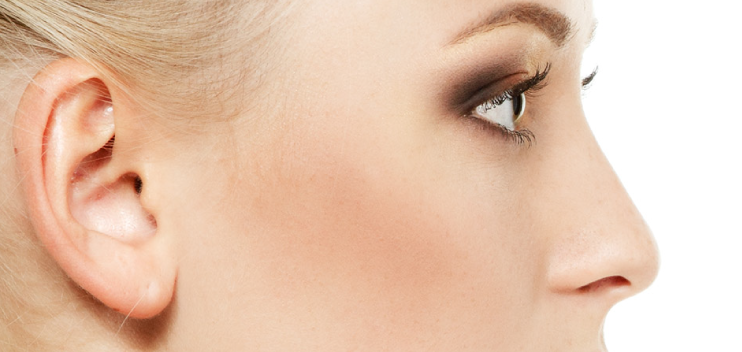
If You’re Considering Nose Surgery…
If you are thinking about nose surgery, you will need some information about how rhinoplasty is performed, how it can help you achieve the look you want, and what to expect afterward. The information following is just a start to explain the basics. Dr. Leonard will explain the procedure more thoroughly and answer any questions you have.
The Best Candidates for Rhinoplasty
Rhinoplasty, like all plastic surgery, can improve your appearance and make you more self-confident, but it cannot make other people treat you better or give you a perfect appearance. Dr. Leonard will help you understand what aesthetic goals or reconstructive corrections are realistic for you. Nose surgery works best for candidates who want to improve rather than perfect their face. Candidates also need to be physically healthy and psychologically stable. Age can also be a factor. Teens often need to wait until after their last growth spurt. This is usually around 15 for young ladies and 17 for young men.
All Surgery Carries Some Uncertainty and Risk
Complications from rhinoplasty are rare, but any surgery has some risk. You may experience an infection, nosebleed, or a reaction to the anesthesia. It is important that you follow Dr. Leonard’s instructions before and after the procedure to reduce the risk.
Tiny red spots may appear on the skin afterward. These are broken blood vessels. These are often minor but are potentially permanent. Since Dr. Leonard performs nose surgery from inside the nose, there is no visible scarring. After nostrils are narrowed, there is a small scar on the base of the nose, but it is rarely visible. A second minor procedure is required about 10 percent of the time to fix problems that arise after the surgery.
Tiny red spots may appear on the skin afterward. These are broken blood vessels. These are often minor but are potentially permanent. Since Dr. Leonard performs nose surgery from inside the nose, there is no visible scarring. After nostrils are narrowed, there is a small scar on the base of the nose, but it is rarely visible. A second minor procedure is required about 10 percent of the time to fix problems that arise after the surgery.
Planning Your Surgery
In your first consultation with Dr. Leonard, he will ask you what you want your nose to look like. Pictures of other people with noses like the one you want are very helpful. Dr. Leonard will examine your nasal bones and cartilage, the shape of your face, and the thickness of your skin before he discusses the possibilities with you. He will explain how each of these factors influences the results you can expect.
Dr. Leonard will also explain the techniques and anesthesia he will perform the rhinoplasty and discuss the risks and costs involved. Your insurance company may cover the costs if you are having the surgery to correct a breathing problem or deformity. Check with your insurance company to see if you need pre-authorization. If you are having the surgery for cosmetic reasons, most insurance policies will not cover the cost.
Good communication about your past and current health is essential to preventing complications. Tell Dr. Leonard about any previous nose surgery or injury – even if it happened a long time ago. You will also need to have a list of any medications, vitamins, or recreational drugs that you use. Dr. Leonard also needs to know about allergies, breathing difficulties, or if you smoke. Ask any questions you have and make sure that you understand what to expect from the surgery.
Preparing For Your Surgery
Dr. Leonard will give you a list of things you need to do to get ready for your surgery. He will include instructions on what vitamins and medications to avoid or take before the procedure. There will be clear instructions about eating and drinking. You will need someone to drive you home and look after you for a couple days following your rhinoplasty. Ask Dr. Leonard about anything you don’t understand so that you can be fully prepared for your surgery.
Where Your Surgery Will Be Performed
Most rhinoplasties are performed in the office or an outpatient surgery center.This saves money and is often more convenient for the patient. In some cases, you may need to stay in the hospital for a short time.
Types of Anesthesia
Dr. Leonard prefers to use a general anesthesia. A general anesthesia will allow you to sleep through the procedure. Dr. Leonard will explain which types is the best fit for your nose surgery and discuss the details with you.
The Surgery
Some procedures take longer, but Dr. Leonard completes most rhinoplasties in less than two hours. The procedure requires the separation of the nose from the supporting bone and cartilage before he shapes your nose the way you want. Your surgery will be unique to your needs, but Dr. Leonard does most rhinoplasties from the inside of the nose so that there is no visible scar. Afterward, Dr. Leonard replaces the skin and applies a nasal pack or plastic splint to allow your nose to heal in its new shape.
After Your Surgery
You will feel achy for a day after your rhinoplasty. Your face might feel swollen, you nose will hurt, and you may have a headache. You will want to stay in bed with your head elevated for 24 hours after the procedure. Dr. Leonard will prescribe pain medication to help you control the discomfort.
Swelling and bruising will peak by the third day. There may be a little bleeding for a few days after your procedure. Cold compresses will make you feel better and reduce the swelling. The swelling and bruising will make it look like you feel bad, but you will actually feel much better than you look. Most of the visible signs of the surgery will be gone within 14 days.
You may feel stuffy for several weeks. Dr. Leonard will ask you not to blow your nose for at least a week after your nose surgery to protect the new structure and allow the tissues to heal. If he used nasal packing, Dr. Leonard will remove it in a few days. All the stitches, splints, and dressings will be removed within two weeks, but often less. You will have minor swelling for several months, but not enough for anyone to notice besides you.
Getting Back to Normal
You will probably be ready to return to work or school within a week of the surgery. Dr. Leonard will give you specific instructions about other activities. He usually recommends avoiding any activity that increases your blood pressure such as running or yoga for two to three weeks. You will want to avoid hitting or rubbing your nose and getting sunburned for two months. You will also need to be gentle when you wash your face or fix your hair. It may be several weeks before you feel completely recovered.
Glasses after rhinoplasty can be tricky. Wear contact lenses if you can. If you wear glasses, you will need to tape them to your forehead to avoid pressure on your nose. You will need to do this for several weeks (usually six or seven) until your nose is healed. Dr. Leonard will tell you when you can wear glasses normally again.
You will have several follow-up appointments with Dr. Leonard to make sure your nose is healing well. Call if you have any questions or unexpected symptoms between visits. It’s best to check before you do any activity that you haven’t discussed with Dr. Leonard.
Your New Look
It’s normal to feel discouraged or even depressed immediately following plastic surgery, but the bruising and swelling will go away. You will look better and better as the first couple weeks pass. You will feel mentally and physically better as the healing progresses. A little bit of swelling may persist for up to a year, so don’t be discouraged. You will have the look you want soon.
Sometimes your friends and family may not react the way you hope or expect. They may not notice the difference or they may be jealous. Remember that you had the surgery to please yourself, not other people. As long as the surgery gives you the look you want, then it is a success.
Sometimes your friends and family may not react the way you hope or expect. They may not notice the difference or they may be jealous. Remember that you had the surgery to please yourself, not other people. As long as the surgery gives you the look you want, then it is a success.
Contact Neaman Plastic Plastic Surgery to schedule a consultation
Leonard Plastic Surgery
Water Place │ 500 Liberty Street S.E., Suite 400 │ Salem, OR 97301
(503) 391-2760